Mary Poppins' Michael Banks: Unraveling Matthew Garber's Tragic Death at 21
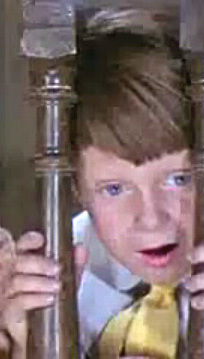
The whimsical world of Disney's *Mary Poppins* introduced us to many unforgettable characters, but none captured the mischievous charm of childhood quite like Michael Banks. Portrayed with undeniable zest by young Matthew Garber, Michael became an enduring icon of the golden age of family cinema. Yet, behind the joyful façade of the film lies a poignant story of a life cut tragically short. Matthew Garber, the talented British child actor, passed away at the tender age of 21, leaving fans and co-stars to ponder the circumstances of his untimely demise. This article delves into the details surrounding
Matthew Garber's death, exploring the medical facts, refuting persistent rumors, and honoring the memory of the boy who brought Michael Banks to life.
The Boy Behind Michael Banks: Matthew Garber's Brief Stardom
Born Matthew Adam Garber on March 25, 1956, in Stepney, London, England, his destiny with fame began early. Both his parents, Louis Leonard Garber and Margot Garber, were theatrical actors, though not as widely celebrated as their son would become. It was almost inevitable that Matthew would find his way to the stage and screen. His breakthrough role, and the one for which he is most fondly remembered, came in 1964 as Michael Banks in the beloved Disney musical *Mary Poppins*. His chemistry with co-star Karen Dotrice, who played his sister Jane, was magical, creating a dynamic duo that felt truly authentic.
Garber's acting career, though brief, was entirely intertwined with Dotrice. They starred together in all three films he made for Walt Disney Pictures: *The Three Lives of Thomasina* (1963), *Mary Poppins* (1964), and *The Gnome-Mobile* (1967). Despite his on-screen charm and natural talent, Garber was known to be a quiet and introspective individual off-camera. After *The Gnome-Mobile*, he seemed to step away from the limelight, opting for a life out of the public eye. He had a younger brother, Fergus Garber, born in 1964, the same year *Mary Poppins* enchanted audiences worldwide. While his parents had theatrical roots, Matthew's brief yet impactful career dwarfed theirs, etching his name into cinematic history.
Unpacking the Tragic Cause: What Led to Matthew Garber's Death?
For years following his passing, vague reports and rumors swirled around
Matthew Garber's death. Some speculated about a mysterious virus, while others, unfortunately, linked it to drug or alcohol use—misconceptions that often plague the narratives of young stars who pass away prematurely. However, the true medical explanation paints a clear, albeit heartbreaking, picture.
Matthew Garber died on June 13, 1977, at the Royal Free Hospital in Hampstead, London, just two months after his 21st birthday. The official cause of death was
hemorrhagic necrotizing pancreatitis, a severe and often fatal inflammation of the pancreas. This dire condition was, in turn, a complication stemming from hepatitis he had contracted approximately a year earlier.
His brother, Fergus Garber, later provided crucial clarification that helped dispel the unfounded rumors. He confirmed that Matthew had acquired hepatitis in India in 1976. By the time he was able to be transported back to England for treatment several months later, the infection had regrettably spread to his pancreas, ultimately triggering the fatal pancreatic condition. Fergus explicitly refuted any claims of drug involvement, attributing the hepatitis to contaminated food, possibly "rotten meat," consumed during his travels. This vital context helps us understand the real reason behind his passing and highlights the dangers of certain infections when not treated promptly. For more detailed insights into his brother's clarification, you can read
The Real Reason Matthew Garber Died at 21: A Brother's Clarification on Hepatitis.
The India Trip: A Fateful Journey and Its Aftermath
The pivotal event leading to Matthew Garber's tragic end was his journey to India in 1976. For a young man in his early twenties, a trip to India likely represented an adventure, an exploration of new cultures and experiences far removed from his childhood fame. Such journeys, while enriching, can also expose travelers to various health risks, especially concerning food and water safety.
It was during this travel that Garber contracted hepatitis, most likely from contaminated food or water, as his brother suggested. Hepatitis is an inflammation of the liver, and while some forms are mild, others can lead to severe complications if untreated, particularly if the body's immune system is compromised or if medical attention is delayed. The incubation period for hepatitis can vary, meaning symptoms might not appear immediately, or they might be mild enough to be initially dismissed, especially by someone immersed in the excitement of travel.
By the time Matthew returned to London and sought medical help, the infection had progressed significantly, spreading to his pancreas and initiating the devastating hemorrhagic necrotizing pancreatitis. This progression underscores the critical importance of health awareness, especially for travelers.
Practical Insights for Travelers:
- Food and Water Safety: Always be cautious about what you consume in unfamiliar regions. Opt for bottled water, well-cooked food, and avoid raw or undercooked items if sanitation standards are uncertain. "Boil it, cook it, peel it, or forget it" is a good rule of thumb.
- Vaccinations: Consult with a doctor or travel clinic well in advance of any international trip to ensure you're up-to-date on all necessary vaccinations, including those for Hepatitis A and B.
- Prompt Medical Attention: If you develop unusual symptoms during or after travel, seek medical advice immediately. Early diagnosis and treatment can prevent minor infections from escalating into life-threatening conditions.
- Travel Insurance: Comprehensive travel insurance can provide peace of mind and access to quality medical care should an emergency arise abroad.
Matthew Garber's experience serves as a stark reminder that even seemingly routine infections can have fatal consequences if not managed effectively. The story of his India trip and its tragic outcome is further explored in
Matthew Garber's Untimely Death: The India Trip That Led to Pancreatitis.
The Private Farewell: Matthew Garber's Legacy and Remembrance
Following
Matthew Garber's death, details surrounding his funeral and memorial services remained intensely private. He was cremated at St. Marylebone Crematorium in London three days after his passing, on June 16, 1977. His brother, Fergus, stated that he was never informed of any memorial ceremony, suggesting that any remembrance held was modest and confined to his closest family. This privacy reflected the low-key life Matthew had chosen after stepping away from acting, preferring to live outside the glare of public fascination.
Despite his short life and retreat from the public eye, Matthew Garber's legacy endures. He lives on through the magic of *Mary Poppins*, a film that continues to enchant new generations. His portrayal of Michael Banks, a mischievous yet lovable boy, is etched into the memories of millions worldwide. Co-star Karen Dotrice has often spoken fondly of Matthew, remembering him as a sweet, kind, and intelligent boy, highlighting the genuine bond they shared. His performances captured a particular innocence and spirit that remains timeless.
Conclusion
The story of Matthew Garber is a bittersweet one, a testament to a brief but brilliant spark that illuminated screens before fading too soon. His iconic portrayal of Michael Banks in *Mary Poppins* secured his place in cinematic history, but his untimely
Matthew Garber death at just 21 years old left a profound sense of loss. The tragic circumstances – a trip to India, the contraction of hepatitis, and the subsequent fatal hemorrhagic necrotizing pancreatitis – serve as a sobering reminder of life's fragility and the unforeseen challenges it can present. Thanks to the clarifications from his brother, the truth about his passing stands clear, allowing us to remember Matthew Garber for his talent and the genuine boy he was, rather than being overshadowed by unsubstantiated rumors. He may have departed too early, but the joy and wonder he brought to millions will forever be practically perfect in every way.